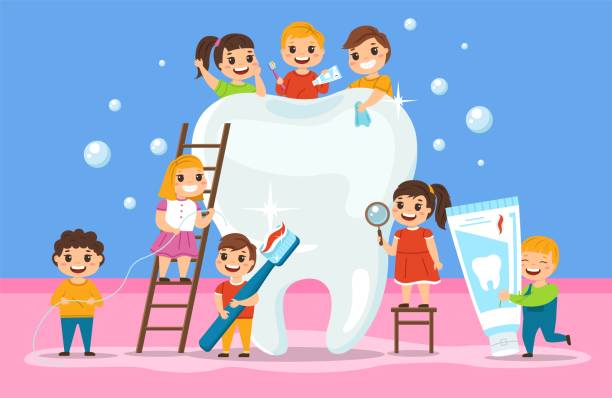
Let’s be real—getting kids to brush their teeth can feel like wrestling a tiny, toothpaste-covered tornado. One minute they’re pretending to brush, the next they’re running away with the toothbrush in their hand like it’s a toy sword.
But here’s the thing: those tiny baby teeth? They matter. A lot. They help your child chew, talk clearly, and flash that adorable smile you love. They also keep space for adult teeth, so if one falls out too early, it can mess up the alignment later.
If you’ve ever found yourself googling “how to make my kid actually brush” or even looking for the best pediatric dentist in Nagpur, you’re not alone. Let’s go through a few simple, realistic tips that actually work for keeping baby teeth healthy.
7 Dental Care Tips to Maintain Baby Teeth
1. Start Before You Even See a Tooth
This one surprises most parents. Dental care actually starts before the first tooth comes in.
Just wipe your baby’s gums with a clean, damp cloth after feedings. It sounds small, but it helps prevent bacteria from building up. Once you see that first little tooth, you can start using a tiny baby toothbrush with soft bristles.
No need for toothpaste at first—plain water is fine. Around age two, use just a tiny smear of fluoride toothpaste, about the size of a grain of rice.
It’s not about perfection right now. It’s about getting your baby used to the idea that “this is something we do.”
2. Make Brushing a Habit Early (Even if It’s a Struggle)
Kids love routines—even if they act like they don’t. The more regular brushing becomes, the easier it gets.
Try this:
- Brush together. Kids copy what they see.
- Put on a short song while brushing. Two minutes feels shorter with music.
- Let them pick their own toothbrush. Give them some control—it helps.
Some days will go smoothly. Other days, not so much. That’s okay. The key is to keep showing up. Even a half-decent brush is better than none.
3. Be Careful with Sugar
This one’s tricky because sugar hides in everything. Not just candies—think juices, flavored yogurt, cereal, even ketchup.
Too much sugar can cause cavities faster than you’d expect, especially in baby teeth, which have thinner enamel.
A few small changes help a lot:
- Offer plain water between meals instead of juice.
- Keep sweets as an occasional thing, not a daily one.
- Don’t let your child sleep with a bottle of milk or juice.
No need to be super strict. Just mindful. Kids will still enjoy treats, but their teeth won’t take the hit every day.
4. Visit a Dentist Early (Before It’s “Needed”)
Most parents wait until there’s a problem before going to the dentist. But honestly, the first visit should happen by your child’s first birthday or within six months of that first tooth.
It’s more about getting your child comfortable with the dentist’s chair than fixing anything right away.
If you’re around central India, finding the best pediatric dentist in Nagpur can make a world of difference. Pediatric dentists know exactly how to make kids feel relaxed and even enjoy their visit.
They’ll check how the teeth are growing, spot early signs of trouble, and give you some hands-on guidance.
5. Fluoride Is Your Friend—Just Don’t Overdo It
Fluoride helps protect teeth from decay, but moderation is key.
Use a small amount of fluoride toothpaste and keep an eye on how much your child uses. Once they’re old enough to spit properly (around age three), you can use a pea-sized amount.
If you’re not sure whether your local water has fluoride, ask your dentist. But don’t start supplements without checking first.
Too much fluoride can cause faint white marks on the teeth, so it’s about balance.
6. Deal With Thumb Sucking and Pacifiers Gently
Most babies and toddlers suck their thumbs or use pacifiers. It’s how they self-soothe, and that’s perfectly normal.
The problem only starts when the habit continues after age three or four. That’s when it might start affecting tooth alignment or the way the jaw grows.
You don’t have to go cold turkey. Try:
- Praising your child when they don’t suck their thumb.
- Offering comfort in other ways—like cuddles, stories, or favorite toys.
- Gradually limiting pacifier time to naps and bedtime.
And if you’re still struggling, talk to a pediatric dentist in Nagpur. They’ve got tons of creative, gentle tricks to help kids kick the habit without stress.
7. Feed Teeth-Friendly Foods
What your child eats affects their teeth just as much as brushing does.
Here’s what’s good:
- Crunchy fruits and veggies like apples, carrots, and cucumbers—they help clean teeth naturally.
- Cheese and yogurt—they add calcium and good bacteria.
- Whole grains instead of sugary, sticky snacks.
And here’s a simple one: let them drink water after meals. It helps rinse away food bits that can lead to cavities.
You don’t have to ban all sweets, just balance things out.
Bonus Tip: Make Brushing Fun
You don’t need fancy gadgets or charts—just make brushing something your kid enjoys.
You could:
- Let them “brush” your teeth after you do theirs.
- Use a two-minute timer or an app that makes brushing a game.
- Give them a small reward when they brush properly for a week—like choosing a bedtime story.
Some nights you’ll forget. Some mornings will be rushed. That’s life. The point is to make brushing normal, not perfect.
Why Baby Teeth Really Matter
It’s easy to think baby teeth don’t matter because they’re temporary. But they hold space for adult teeth and help kids speak, eat, and smile with confidence.
If a baby tooth falls out too early because of decay, other teeth can shift and cause problems later.
Healthy baby teeth also mean fewer painful nights, fewer emergency visits, and happier kids overall.
So yeah—it’s worth the effort, even on those tough days when your child wants nothing to do with toothpaste.
FAQs About Baby Dental Care
1. When should I start brushing my baby’s teeth?
As soon as you see the first tooth. Use a baby toothbrush and a tiny bit of fluoride toothpaste.
2. How often should kids see a dentist?
Every six months is ideal. Regular visits help catch small issues early.
3. How do I find the best pediatric dentist in Nagpur?
Ask other parents, check local reviews, or visit a few clinics to see where your child feels comfortable.
4. How can I prevent cavities in baby teeth?
Brush twice daily, limit sugar, use fluoride toothpaste, and visit the dentist regularly.
5. My child is scared of the dentist. What should I do?
Choose a dentist who works with kids regularly. Pediatric dentists are great at making visits fun and stress-free.
6. Is fluoride safe for kids?
Yes, when used in small amounts. Just supervise brushing and make sure your child spits out the toothpaste.
7. Do baby teeth need fillings?
Yes, if they get cavities. Ignoring decay can cause pain and affect how adult teeth grow later.
Caring for baby teeth doesn’t have to be complicated. It’s just about building small, everyday habits—brushing, eating smart, and visiting the dentist before there’s a problem.
And if you’re ever unsure, talk to the best pediatric dentist in Nagpur. Sometimes one good checkup can save a lot of worry later.
You don’t need to do everything perfectly. You just need to care enough to keep trying.
Because those little smiles? They’re worth it.