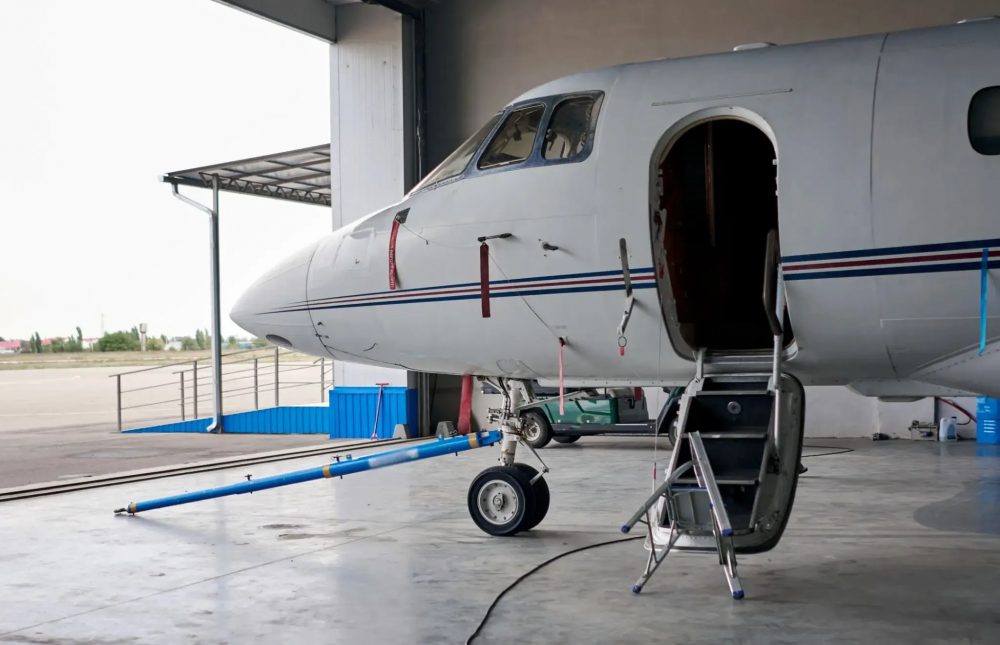
Aircraft represent significant capital investments, and safeguarding them against environmental hazards and ground-level operational risks is paramount. Exposure to unpredictable weather or prolonged climatic stress can result in costly structural damage, maintenance delays, and compromised safety margins. Aviation hangars serve as the primary line of defense, providing a controlled, purpose-built environment designed to mitigate these risks.
Beyond simple storage, modern hangars are engineered to withstand extreme conditions—ranging from severe storm systems to the daily wear and tear of ground operations. Consequently, they are essential to the performance, safety, and longevity of aircraft across all sectors, including commercial, military, and private aviation. Furthermore, hangars are critical to maintenance efficiency; by providing a secure, weather-protected space for technical work, they significantly reduce downtime and enhance operational throughput.
By minimizing exposure-related degradation and preventing the need for unscheduled repairs, airplane hangars are a decisive factor in long-term cost-efficiency and fleet reliability. In this blog, we will explore the multifaceted ways in which aviation hangars safeguard aircraft against environmental and operational challenges.
Role of Aircraft Storage Facilities in Weather Protection
Aircraft storage facilities are the main protective barrier against environmental factors that may harm the aircraft. Their complete closure allows protection to be provided throughout the year and irrespective of the weather conditions.
- Shielded from Rain, Snow, and Hail
An exposure to precipitation might lead to daubing of the components, corrosion, and even the avionics becoming unusable is avoided by a hangar. This is especially so when the aircraft are kept for a long time or during very extreme seasonal conditions.
- Protection against UV Radiation
The sun can be very damaging to aircraft through its constant exposure, resulting in paint, rubber seals, and composite materials of the aircraft getting degraded. The hangars become a barrier to the UV rays, helping in the retention of not only the exterior finishes but also the structural integrity.
- Diminished Corrosion Hazard
Hangars help to a large extent in the prevention of corrosion on the metals and airframes and on the aircraft mechanical parts by keeping their exposure to moisture, salt air, and pollutants to a minimum.
- Continuous Aircraft Readiness
The aircraft that are in the hangar are not likely to suffer delays related to the weather. Hence, quicker turnaround times and operational reliability will be the benefits obtained from this.
Wind, Storms, and Debris Protection
The open ramps during bad weather are a major source of risk for the aircraft that are stationed there. Aviation storage buildings offer a safe place for the planes, minimising these risks.
1. Protection Against Wind
Very high winds can cause the movement of aircraft that are not secured, put the landing gear under strain, or lead to collisions. By providing a stable shelter, hangars do away with wind-related movements and damage.
2. Resistance to the Effects of Storms
Hangars that are built for a specific purpose are designed to be able to take on storms, withstand heavy rains, and bear snow loads. It keeps the airplanes safe even in extreme weather.
3. Prevention of Debris and Foreign Object Damage (FOD)
Flying debris, including gravel, tools, or loose equipment, poses a risk to engines and fuselage surfaces. The probability of FOD incidents is significantly less in closed hangars.
4. Safety Of Ground Crews Has Been Enhanced
Hangars eliminate the requirement for technicians, pilots, and maintenance personnel to work around aircraft in dangerous weather by improving their safety. Airport Hangars for Sale give operators permanent infrastructure solutions that emphasize safety and reliability in operations.
Temperature Control and Climate Regulation
Temperature extremes have a detrimental effect on aircraft systems, materials, and maintenance efficiency. Aviation storage buildings provide a controlled atmosphere, which means that the aircraft surfaces can be maintained and the maximum advantages from their operational conditions can be obtained.
- Protection from Extreme Heat
Heat of such proportions can ruin batteries, avionics, and interior materials. Hangars will keep things cool and also reduce the thermal stress on the most critical components.
- Cold Weather Protection
Very cold weather’s effect will be the same for the hangars, as they will not let the fuel get to the gelling stage, the hydraulic system faults will take place, and the materials will become hard. Hence, the planes will remain in a good state for flying, and less power will be needed to start them.
- Humidity and Condensation Control
The controlled environments will do the condensation build-up to the least extent, which may cause electrical failures, corrosion, and mold inside the cabins.
- Enhanced Maintenance Accuracy
The personnel assigned to climate-controlled hangars will enjoy uniform and excellent conditions for executing their checking and maintenance tasks. Their precision will be amplified in this way, and their mistakes will be reduced to a minimum. Consequently, Airport Hangar Developmentis becoming a crucial element in the improvement of maintenance operations, efficiency, and safety throughout the facility.
Wrapping It Up
Aviation hangarsare not simply used as storage places but rather are essential structures that provide protection for aircraft against the elements and common operational risks. They are preserving aircraft from rain, wind, dirt, and hot or cold climates. Well-planned aviation storage buildings are quite useful for protecting, keeping ready for the operation, and meeting the requirements of the aviation industry. Investing in quality hangar solutions is an investment in long-term performance, safety, and operational efficiency.