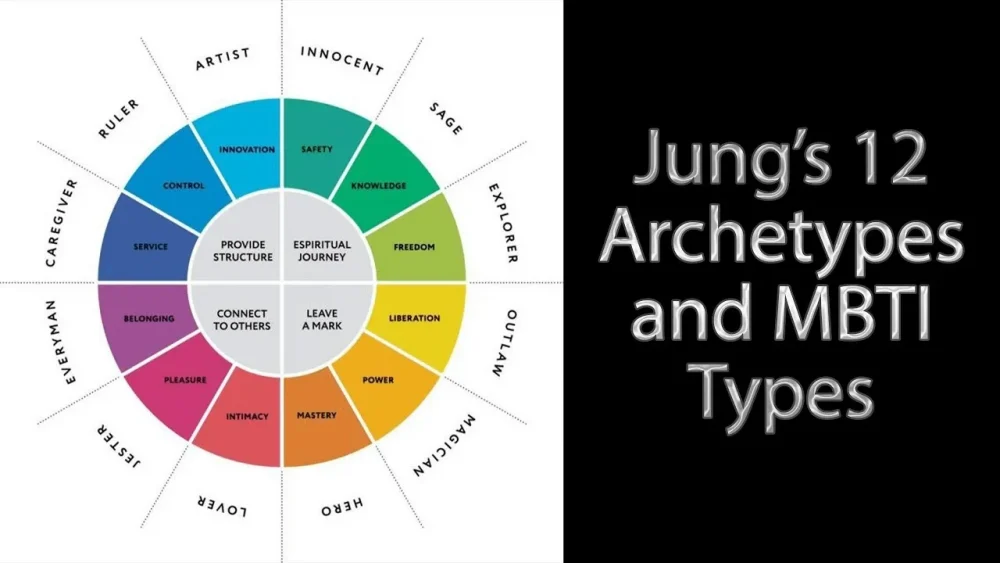
| Summary: The archetypes introduced by Carl Jung represent universal psychological patterns that shape human thoughts, emotions, and behavior. Emerging from the collective unconscious, these archetypes influence identity, relationships, and personal development. Understanding them helps individuals recognize inner motivations, confront hidden traits, and move toward deeper self-awareness and psychological balance. |
That time you saw a film and just got it – right away – who someone was meant to be. Brave fighter types show up, doing their thing. A stranger moves through the scene like fog. Then there’s that one person speaking calm truths exactly when needed. You sense their place without being told. It clicks.
Familiarity like that does not just happen by chance. Deep down, people often recognize certain characters again and again, according to Carl Jung, a Swiss psychologist who studied the mind. These repeating figures point to shared inner shapes most humans carry without knowing. Known as Carl Jung’sarchetypes, they are old mental pictures buried far below awareness, woven into everyone’s unseen thoughts.
Fresh ideas they might seem, yet archetypes skip classrooms. Carried across ages, these forms live deep within human experience – molding reactions, coloring emotions, guiding thoughts without a word spoken.
Out of nowhere, stories show up. Paying close attention changes how you see things. Connections form without warning. A struggle someone shares sticks around. Dreams begin to mirror real moments. Everywhere turns into a place where meaning hides.
What truly matters about them isn’t just how they tell stories.
Inside every mind, patterns shape what we notice first. Experience gets sorted without us even trying. What sticks around often mirrors hidden routines of thought.
The Collective Unconscious And The Hidden Life Of Archetypes
Down below awareness, Jung saw layers unfold. Up top sits what we know right now – our clear thinking and choices each day. Hidden just under that rests a private inner space where old moments fade out slowly. Stored there, too, are feelings pushed away, left unspoken.
Something deeper waits beyond that.
Deep within us, Jung saw a hidden layer of mind not shaped by individual experience. This part exists beyond single lives, common to everyone who has ever lived. Across time and place, it holds quiet blueprints guiding how people act and think. Old echoes live here, passed down without words, shaping choices nobody remembers making.
Archetypes emerge from this shared layer.
These aren’t actual figures, just inner drives shaping the way someone makes sense of events, handles obstacles, or sees who they are. Not names, but invisible pulls behind choices and views on self.
Picture these as gut feelings your thoughts can’t ignore.
Something stirs when one steps in front of harm meant for another – that’s the Caregiver at work. A push against rules just because they’re there? That tilt belongs to the Rebel. Before thought forms, these shapes already move beneath skin, pulling motion from instinct.
Archetypes Are Parts of the Mind
Life moves. Into these patterns we fit, now and then, shaped by moments that ask us to be a certain way. Roles inside, maybe. Not planned. Just showing up when needed.
Now and then, one steps ahead while others follow close behind. Questions arise when answers hide themselves too well. Meaning slips through fingers like sand unless you pause long enough to feel it.
Each role reflects a deeper psychological pattern.
What stands out clearly is the idea of the Self, something Jung saw as holding the psyche together at its core. From his view, it’s where awareness meets hidden parts, forming balance through connection rather than force.
Getting here takes work. Life often means moving through pulls in opposite directions.
A person drawn to freedom might find energy in the Explorer type. Curiosity grows when routine fades, sparking a need to move beyond known places. Wandering souls, creators tinkering with new ideas, business builders – they sometimes mirror this pattern closely. Movement defines them more than plans ever could.
Yet tenderness guides the Caregiver, shaped by duty. Found among nurses, mentors, even neighbors – those whose meaning grows through helping. Quietly present where support becomes second nature.
One way isn’t superior. Each just shows a separate flavor of what drives people.
The Shadow Hidden Aspects of Mind
What fascinates people most in Jung’s model isn’t the hero or the wise one – it’s the Shadow. Still, of all his figures, that dark corner pulls attention like nothing else.
Hidden corners of who we are often hold what we’d rather ignore. Sometimes it’s rage, doubt, jealousy – feelings clashing with our self-image. What lives beneath tends to whisper when we least expect.
Many folks naturally keep a distance from such qualities. Facing those parts isn’t easy – honestly, it tends to stir unease.
Yet Jung saw the shadow as key to inner growth. Left unattended, it shows up sideways – via blame, friction, or sudden feelings that make little sense.
Look at someone pointing fingers, yet their own hands shake with the very thing they name. Quiet truths hide where blame lands loudest. What gets called out often lives quietly behind closed eyes. Accusations carry weight when mirrors fog up. The harshest words whisper back toward home.
There it is – the Shadow doing its thing.
Truth begins when denial ends. Still, there’s power hiding inside that moment – real self-knowledge shows up uninvited. When unseen parts of who you are come into view, your sense of self shifts, becomes less borrowed, more yours. A quiet kind of clarity takes root.
Archetypes Still Have Relevance Now
Back when Jung first brought up these concepts, way back in the 1900s, nobody could have guessed they’d stick around so long. Yet here we are – therapists pore over them, storytellers build characters from them, ad teams shape messages using them, while coaches studying influence keep returning to their patterns.
Peek into today’s world, then notice how old story patterns hide in ads, movies, and even logos. These shapes repeat without shouting their names.
Why do they endure?
Folks recognize themselves in archetypes – these patterns echo moments everyone faces. Life throws challenges, sure, yet those struggles often spark change. Who someone is might shift when fear shows up. Still, courage tends to appear right alongside it. Growth isn’t guaranteed, but it hides within upheaval. Transformation? It waits where tension lives.
Maybe that’s what makes Carl Jung’s archetypes idea so gripping.
Under every personal journey hides a common mental blueprint. Not through choice, but by pattern, do certain figures shape its landmarks – steering us without noise across inner depths. Symbols emerge not from thought alone, yet rise like tides shaped by unseen pulls. These forms move behind meaning, framing how minds trace their way through confusion. Contact Dr. Bren.
FAQs
1. What are Carl Jung’s archetypes?
Carl Jung’s archetypes are universal psychological patterns or symbolic roles that exist in the collective unconscious and influence how people think, behave, and interpret experiences.
2. How do archetypes affect the human psyche?
Archetypes shape emotions, motivations, and behavioral tendencies, guiding how individuals respond to challenges, relationships, and personal growth.
3. What is the collective unconscious?
The collective unconscious is a concept introduced by Carl Jung that refers to a shared layer of the human mind containing universal memories, symbols, and archetypes.
4. Why is the Shadow archetype important?
The Shadow represents hidden or suppressed aspects of personality. Recognizing it helps individuals develop self-awareness and emotional maturity.
5. Are Jungian archetypes still relevant today?
Yes. Jungian archetypes continue to influence psychology, storytelling, branding, and personal development because they reflect universal human experiences and behavioral patterns.