The Connection Between Physical Exertion and Oxidative Stress
Ever notice how your body feels different after a particularly sweaty workout? There’s actually a lot happening beneath the surface when your temperature climbs and perspiration starts flowing. Your cells kick into high gear during intense physical activity or heat exposure, ramping up their metabolic rate to meet energy demands and keep your temperature in check. But here’s the catch, this metabolic surge comes at a cost. Free radicals, those unstable molecules scientists call reactive oxygen species, start multiplying at an exponential rate. Think of them as the exhaust fumes of your cellular engine. These rogue molecules can wreak havoc on cellular structures, proteins, and DNA if they’re not kept in check. The harder you push yourself and the more you sweat, the greater the oxidative burden your body faces. That’s precisely why antioxidant protection becomes so critical, your cells need backup to maintain their integrity when you’re operating at full throttle.
Understanding Free Radical Production During Sweating Activities
The link between sweating and free radical generation runs deeper than most people realize. When you’re crushing a high-intensity workout or spending time in extreme heat, your body’s oxygen consumption can skyrocket, we’re talking up to twenty times your resting rate. All that oxygen processing inevitably leads to more free radicals escaping during the energy production process inside your mitochondria. It’s like a factory running at maximum capacity, efficiency drops slightly, and byproducts increase.
How Antioxidants Protect Your Cells During High-Stress Activities
So how do antioxidants actually fight back against this free radical onslaught? These protective compounds essentially play the role of cellular peacekeepers, stepping in to neutralize troublemakers before they cause real damage. They work by donating electrons to unstable free radicals, essentially calming them down and preventing them from attacking healthy cells. When you’re sweating buckets and pushing your limits, antioxidants become your body’s front-line defenders. Vitamin C, vitamin E, glutathione, and various plant compounds work together in a beautifully orchestrated defense network.
Nutritional Strategies to Boost Antioxidant Protection
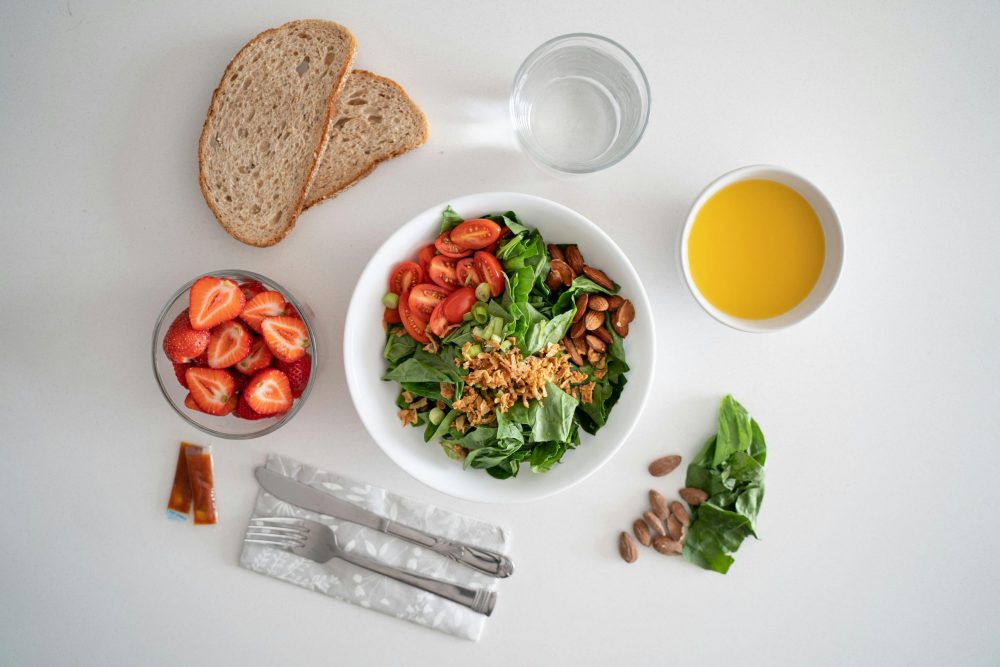
Building a strong antioxidant defense system isn’t rocket science, but it does require some thoughtful planning, especially if you’re someone who regularly engages in sweat-inducing activities. The foundation starts with eating a rainbow of fruits and vegetables. Those vibrant colors aren’t just for show, they represent different phytonutrients, each bringing unique protective benefits to the table. Berries, particularly blueberries and strawberries, pack a serious punch with their inflammation-fighting anthocyanins that support cellular repair. Leafy greens like spinach and kale deliver a triple threat of vitamin C, vitamin E, and carotenoids that team up to neutralize various types of free radicals. Don’t overlook nuts, seeds, and fatty fish either, they contribute essential fatty acids and vitamin E that shield your cell membranes from damage during metabolic stress. Timing matters, too. Research suggests you’ll get the most bang for your buck by consuming antioxidant-rich foods both before and after your sweaty activities. If you’re into heat therapy practices, it’s worth learning which supplements to take before sauna sessions to maximize cellular protection during these intense experiences. And here’s something people often forget, hydration plays a starring role in keeping your antioxidant system running smoothly. Many of these protective compounds need adequate water to reach their target tissues and do their job effectively throughout your body.
The Impact of Depleted Antioxidant Reserves
What happens when your antioxidant defenses can’t keep pace with all those free radicals generated from repeated sweating sessions? The consequences show up in ways that can seriously impact your quality of life. You might notice your recovery time dragging on longer than usual, with muscle soreness that just won’t quit. Your performance takes a hit as damaged cellular structures struggle to function at their best. Your immune system becomes particularly vulnerable when antioxidant levels drop too low, potentially leaving you more susceptible to catching whatever bug is going around, definitely not what you need when you’re trying to maintain a consistent training schedule.
Conclusion
The relationship between sweating and your antioxidant needs isn’t just some abstract scientific concept, it’s a fundamental aspect of how your body works that really matters if you’re active or regularly expose yourself to heat. Recognizing that increased perspiration signals your body’s ramping up oxidative stress gives you the power to take action. You can protect your cells through smart nutritional choices and lifestyle habits that support your body’s natural defense systems. By making antioxidant-rich foods a priority, staying properly hydrated, and tuning into the signs that your body might be under oxidative burden, you’re setting yourself up for success in your fitness and wellness journey.