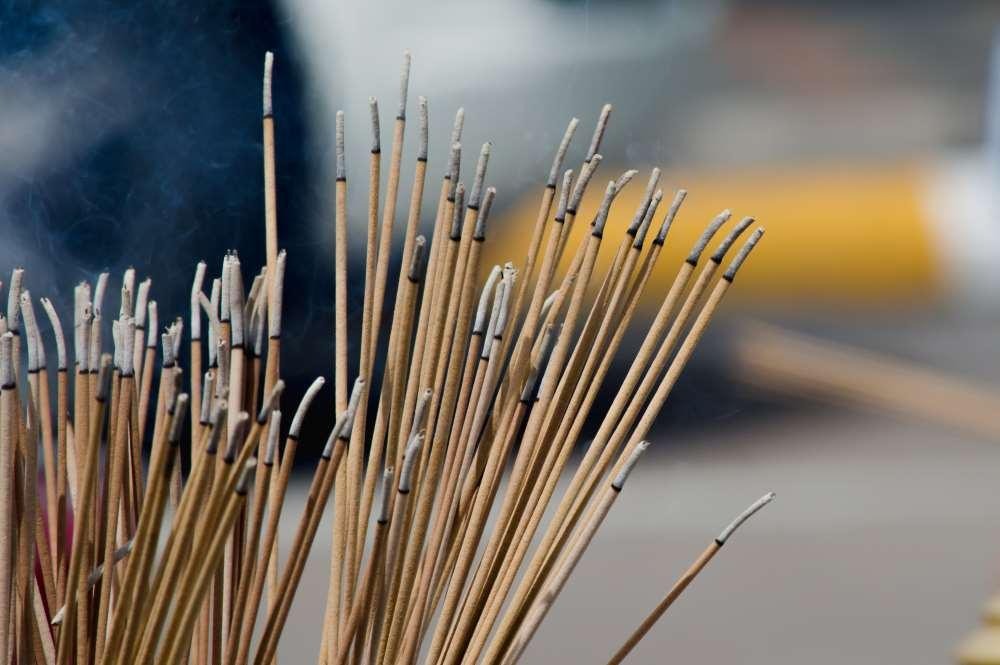
In a country like India, where rituals and traditions are deeply woven into daily life, agarbatti (incense sticks) holds a special place. From temples and homes to events and meditation centers, agarbatti is used widely for its fragrance and spiritual significance. Behind the widespread availability of agarbatti lies a well-structured business network, and at its core is the agarbatti wholesaler.
What Is an Agarbatti Wholesaler?
An agarbatti wholesaler is a business or individual that purchases agarbatti in large quantities directly from manufacturers or producers and then sells these products to retailers, distributors, event organizers, and other bulk buyers. Unlike a retailer, who sells to end consumers in small quantities, a wholesaler focuses on volume and distribution.
Wholesalers play a vital role in the supply chain by acting as a bridge between the manufacturer and the marketplace. They ensure that agarbatti products reach the hands of retailers who sell them in smaller packs to local customers.
Why the Agarbatti Wholesaler Business Is Important
The agarbatti industry in India is vast, with millions of households and businesses consuming incense sticks daily. An efficient wholesaler helps maintain the flow of these products by:
• Reducing supply gaps in remote and urban regions
• Maintaining consistent quality for retailers across markets
• Offering competitive pricing through bulk purchases
• Helping small retailers grow without the stress of large inventory
Without wholesalers, manufacturers would struggle to distribute products widely and retailers would have to deal with multiple suppliers, raising costs and complexity.
Key Components of the Agarbatti Wholesaler Business Model
The agarbatti wholesaler business model can be broken down into clear components that define how the business operates. These include sourcing, logistics, pricing, customer relationships, and value addition.
1. Sourcing Products
The first step for any agarbatti wholesaler is sourcing products from manufacturers. This could be from:
• Large agarbatti manufacturing units
• Small family-run factories
• Regional producers with unique fragrance blends
A good wholesaler builds strong relationships with reliable manufacturers to ensure quality, punctual deliveries, and competitive pricing. For instance, Melting Aromas sources high-quality incense sticks with diverse fragrances, ensuring their retail partners always have excellent products to offer.
2. Warehousing and Inventory Management
Managing inventory effectively is crucial for a wholesaler. A large warehouse allows the business to stock different types of agarbatti — such as masala sticks, herbal sticks, dhoop, and more. Key aspects include:
• Tracking stock levels regularly
• Organizing products for easy access
• Ensuring product safety and hygiene
Efficient inventory management prevents stockouts and overstocking, helping maintain steady supply without tying up unnecessary capital.
3. Pricing Strategy
Pricing is at the heart of the wholesaler’s business model. Since wholesalers buy in bulk, they earn profit by selling to retailers at a higher price than the purchase cost while still offering competitive rates. A typical pricing strategy may include:
- The cost price is what the wholesaler actually pays to the manufacturer for the goods. This is the amount of money that the wholesaler hands over to the manufacturer. The cost price is basically the price of the goods that the wholesaler buys from the manufacturer.
- Markup – a percentage added to cover expenses and profit
- If you buy a lot of things at the time you get discounts. This is a thing for retailers because they can buy more things from us and save money. Retailers like to buy in bulk because they get these discounts, for buyers. We give these discounts to retailers so they will buy more from us.
When wholesalers are upfront about their prices it helps them build trust with the buyers. This is what transparent pricing is about. Pricing and fair deals are really important for wholesalers. They help wholesalers build trust and have lasting relationships, with the buyers. This means wholesalers can work with buyers for a long time when they use transparent pricing and fair deals.
4. Distribution and Logistics
When the products are ready to be sent to the customers a good delivery system makes sure they get there on time. Wholesalers do one of the following things:
• Deliver products using their own transport
• Partner with logistics companies for wider reach
Retailers really need to get their stock on time. This is very important during festivals and peak seasons. The thing is, during these times a lot of people want to buy things so retailers need to have stock. Efficient distribution helps retailers receive their stock when they need it which is really important when demand for things surges during festivals and peak seasons. Retailers have to be ready for this and distribution is the key, to helping them get their stock on time.
5. Customer Relationships
When you are doing business with wholesalers it is really important to know them. Wholesalers like to meet the people they do business with so they visit retailers a lot. Call them to talk about new things. The wholesalers also tell the retailers about deals they have. When wholesalers and retailers know each other well they start to trust each other. Over time wholesalers get customers who keep coming to them and these customers tell other people about the wholesalers. This is how wholesale business works it is about the wholesalers and the relationships they have, with retailers.
People who buy from Agarbatti wholesalers are those individuals who own shops that sell Agarbatti. They purchase Agarbatti from Agarbatti wholesalers. Some people who have a shop that sells lots of things including Agarbatti also buy from Agarbatti wholesalers.
Agarbatti wholesalers also sell to people who run a business of selling Agarbatti online. These people buy Agarbatti from Agarbatti wholesalers. Then they sell Agarbatti on the internet.
Additionally people who are making Agarbatti at home and selling them they also buy things from Agarbatti wholesalers. They buy the things they need to make Agarbatti from Agarbatti wholesalers.