In a world saturated with processed food solutions and a new diet trend every season, many are coming back to nutritional basics steeped in traditional wisdom. Traditional fats like A2 cow ghee and natural cold-pressed oils are becoming popular across India and increasingly all over the world, not just for their flavors, but also for deeper health and wellness benefits.
While modern diets are full of convenience foods, it’s increasingly clear that the kind of preparation a food undergoes and the type of fats we consume could have long-lasting repercussions in digestion, energy, and overall balance. Traditional Indian systems of diet have much to teach us today, and with each passing day, science moves closer to validating those lessons, especially concerning the use of minimally processed fats.
Understanding A2 Cow Ghee
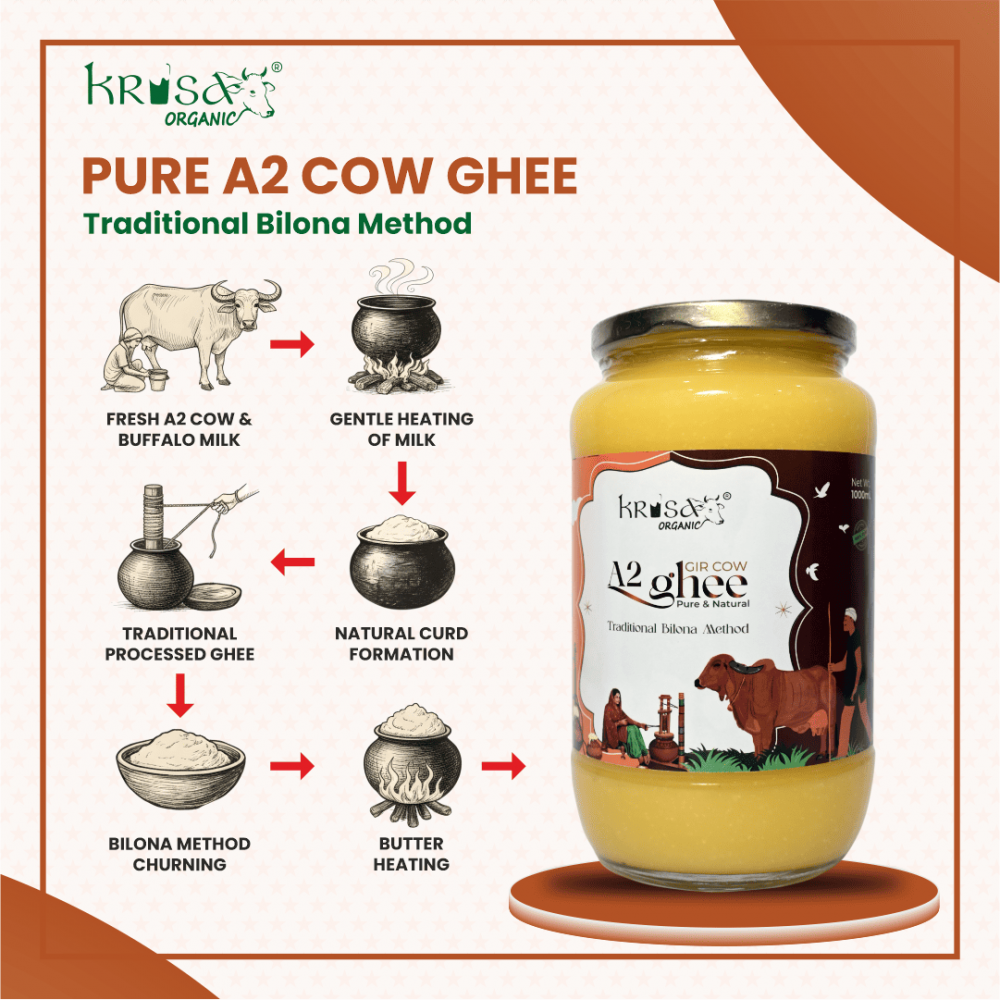
A2 cow ghee is made from the milk of indigenous breeds of cows, which produce the A2 type of beta-casein protein naturally in their milk. Compared with ghee made from other breeds such as hybrid varieties, A2 cow ghee is made from milk that can be easily digested by many people. This ghee is made using low heating processes that help retain its scent and nutritional value.
Such is the case with this ghee that has managed to remain a part of many Indian kitchens for generations now and is yet a symbol of a new wave that has risen as a result of increasing awareness regarding the significance of quality food rather than processing.
The Bilona Ghee Method
One of the oldest and most reputed ways of making ghee is through the bilona method. The bilona method involves the fermentation of milk into curd, the churning of the curd for the extraction of butter, followed by simmering the butter for the extraction of ghee. The simmering process helps retain the natural quality of the extracted ghee.
Bilona ghee is preferred by many traditional food fans, as it retains its aroma, taste, and potential health functions better than industrial ghee production. The industrial production process is quicker, and many health-conscious consumers prefer the more traditional process for ghee production.
Why Natural Oils Matter
Simultaneously, there is a resurgence of interest in other extraction methods for oils such as cold pressing and wood pressing, along with ghee extraction methods. The cold press extraction of oils such as mustard oil, sesame oil, and coconut oil requires less heat and does not use any chemicals.
These natural oils have been in widespread use in cooking in various parts of India. These natural oils have also been linked to well-balanced nutrition in individuals when the diet consists of various foods.
Aligning Tradition with Modern Wellness
This shift toward traditional fats like A2 cow ghee and cold-pressed oils aligns quite nicely with contemporary wellness movements that emphasize minimal processing, supportive digestion, and nutritionally dense food. Rather than looking at fats as something to be avoided, experts now emphasize the importance of choosing the right types of fats.
Traditional food systems did not separate food from context; they knew how different ingredients interact with each other to affect digestion and balance. Today, with each passing day, science reinforces this holistic view, bringing cultural wisdom and nutrition research closer together.
Simple Ways to Include Traditional Fats
Adding conventional fats in their diet does not involve a complete change in their food habits. Here are the steps followed by people:
• Using cold-pressed oils in place of refined oils in sautéing and tempering
• Consume A2 cow ghee in moderate quantities for cooking, roasting, and final touches to preparation
• Combine fats with whole foods such as lentils, vegetables, and grains
• Cook in ways that preserve vitamins and flavors
Smaller mindful adjustments can help support comfort in digestion, sustained levels of energy in the body, and satisfaction with eating.
Final Thoughts
The current resurgence in the interest in A2 cow ghee and naturally cold-pressed oils indicates a change in the approach towards nutrition and eating as people are looking at foods in a holistic manner and are therefore turning to foods that take into consideration the principles of healthy eating as advised by their culture.
By knowing the history surrounding such practices, as well as their modern-day uses, people are able to make educated, personal choices to preserve such practices while promoting personal well-being.