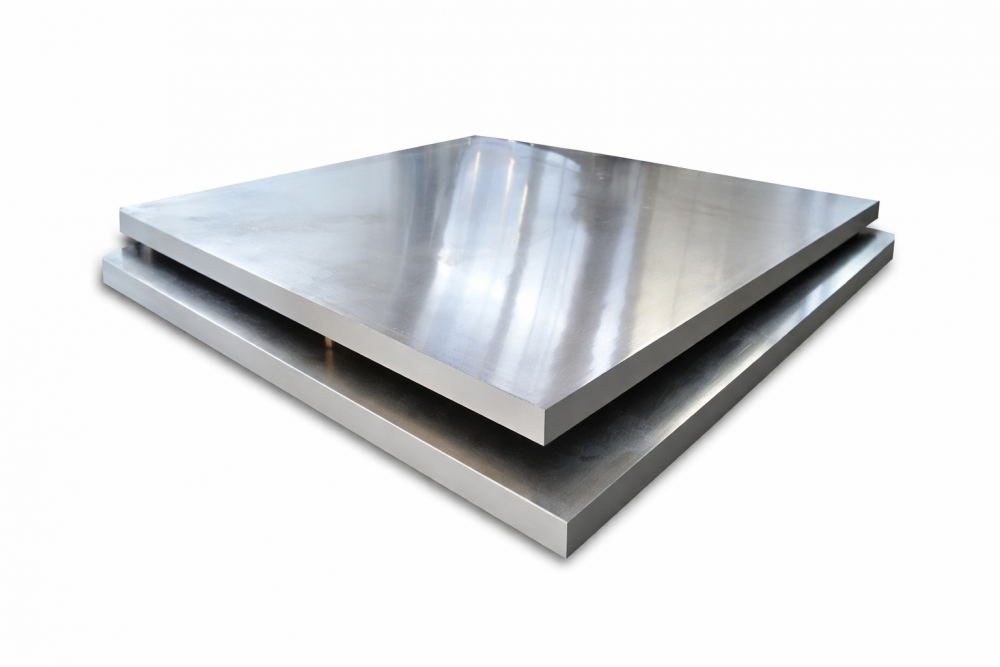
In modern industrial manufacturing, selecting the right structural material directly affects durability, compliance, lifecycle cost, and operational efficiency. Among high-performance aluminium alloys, 5083 aluminium plate is widely recognized for its strength, corrosion resistance, and weldability.
Used extensively in marine structures, cryogenic systems, transportation, and pressure vessels, this magnesium-rich alloy has become a preferred material where reliability in harsh environments is essential. As India continues expanding its industrial and infrastructure sectors, sourcing certified 5083 aluminium plate from reliable stockists plays a critical role in project execution.
Understanding 5083 Aluminium Plate and Its Metallurgical Profile
5083 aluminium is part of the 5000 series of aluminium alloys, where magnesium is the principal alloying element. According to the Aluminum Association, 5xxx series alloys are known for their excellent corrosion resistance and moderate-to-high strength.
H3:Chemical Composition and Alloy Characteristics
5083 aluminium typically contains approximately 4.0–4.9% magnesium, along with small amounts of manganese and chromium. This composition provides:
- High resistance to seawater corrosion
- Strong mechanical properties
- Good forming and welding characteristics
Because it is a non-heat-treatable alloy, it gains strength through cold working rather than heat treatment. This eliminates some distortion risks associated with heat-treated grades.
Mechanical Strength and Structural Reliability
5083 is considered one of the strongest non-heat-treatable aluminium alloys. According to technical data published in ASTM B209, the alloy is suitable for structural plate applications requiring dependable strength and durability under load.
Importantly, it retains a significant portion of its mechanical properties after welding, which is essential in fabrication-heavy industries such as shipbuilding and tank manufacturing.
Performance in Low-Temperature Environments
Unlike many structural materials that become brittle at low temperatures, 5083 aluminium maintains and can even improve its tensile strength in cryogenic conditions. This property makes it suitable for LNG storage systems and low-temperature processing equipment.
Why 5083 Aluminium Plate Is Preferred in Marine and Offshore Engineering
Marine environments expose materials to constant saltwater, humidity, and fluctuating temperatures. In such conditions, corrosion resistance becomes a decisive factor.
Shipbuilding and Hull Structures
5083 aluminium plate is widely used in ship hulls, decks, and superstructures due to its resistance to seawater corrosion. According to data summarized by ASM International, aluminium-magnesium alloys demonstrate excellent resistance to marine atmospheric conditions.
This reduces long-term maintenance and structural degradation in vessels operating in coastal and offshore regions.
Offshore Platforms and Coastal Infrastructure
Offshore oil platforms and marine infrastructure demand materials that withstand both mechanical stress and environmental exposure. The corrosion-resistant properties of 5083 aluminium reduce lifecycle repair costs while maintaining structural integrity.
Cryogenic Storage Applications
Because 5083 aluminium performs well at low temperatures, it is often used in cryogenic tanks and pressure vessels. Its improved toughness in cold conditions supports safe storage of liquefied gases.
The Role of Indian Stockists in Industrial Supply Chains
India has developed into a major manufacturing and export hub for industrial metals. The availability of certified aluminium plate stock directly supports sectors such as marine construction, transportation, and heavy engineering.
Compliance with International Standards
Reliable stockists typically supply 5083 aluminium plates in accordance with:
- ASTM B209
- ASME SB209
These standards define chemical composition, mechanical properties, and testing requirements. Compliance ensures traceability and regulatory alignment in infrastructure and industrial projects.
Inventory Depth and Custom Processing
Industrial buyers often require specific thicknesses and tempers depending on structural load calculations. Established stockists maintain ready inventory and may offer cut-to-size processing, reducing procurement delays.
Supply Chain Efficiency and Export Capabilities
India’s logistics network supports domestic distribution as well as international exports. Efficient supply chains are especially important for EPC contractors operating on fixed project timelines.
H2:Technical Advantages Over Alternative Structural Materials
In heavy engineering and transportation sectors, material performance must balance strength, weight, and environmental durability.
Strength-to-Weight Optimization
Aluminium has approximately one-third the density of steel. This allows designers to reduce overall structural weight without compromising strength. In transportation systems such as rail and truck bodies, weight reduction contributes to improved energy efficiency.
Corrosion Resistance in Industrial Environments
The magnesium content in 5083 enhances resistance to industrial chemicals and saline exposure. This reduces protective coating requirements and extends service life.
Fabrication Flexibility
The alloy supports common industrial fabrication processes including forming, machining, and welding. Its weldability without severe strength loss simplifies assembly in large structures.
Procurement Considerations for Industrial Buyers
Selecting a 5083 aluminium plate stockist in India involves more than verifying price and availability.
Material Certification and Traceability
Buyers should request Material Test Certificates (MTC) confirming compliance with ASTM or ASME standards. Documentation ensures accountability and regulatory acceptance.
Thickness Range and Surface Finish
Different applications require different plate thicknesses and surface conditions. Confirming availability before procurement prevents costly redesigns or delays.
Long-Term Supplier Reliability
Consistent sourcing improves quality stability and project continuity. Establishing long-term supply relationships reduces procurement risk in large-scale industrial operations.
Frequently Asked Questions (FAQ)
What industries commonly use 5083 aluminium plate?
5083 aluminium plate is widely used in shipbuilding, offshore engineering, transportation, cryogenic storage, and pressure vessel fabrication.
Is 5083 aluminium heat treatable?
No. It is a non-heat-treatable alloy that gains strength through cold working.
Why is 5083 suitable for marine environments?
Its magnesium-rich composition provides strong resistance to seawater corrosion, making it ideal for marine structures.
Does 5083 aluminium perform well at low temperatures?
Yes. It maintains and may increase its strength in cryogenic conditions, making it suitable for LNG and low-temperature storage systems.
Which standards apply to 5083 aluminium plate?
Common standards include ASTM B209 and ASME SB209, which define required chemical and mechanical specifications.
Conclusion
5083 aluminium plate remains a critical structural material across marine, cryogenic, and heavy engineering industries. Its combination of strength, weldability, and corrosion resistance provides dependable performance in environments where structural failure is not an option.
As industrial projects in India and abroad continue to demand high-performance materials, sourcing from certified 5083 aluminium plate stockists ensures compliance, traceability, and supply chain reliability. In modern manufacturing ecosystems, material quality and procurement discipline directly influence operational success.